


The Olive
in Egypt
From sacred Pharaonic commodity to the world's largest table-olive industry — a journey spanning five millennia.
An Ancient Legacy
Olive cultivation in Egypt spans thousands of years, evolving from a sacred Pharaonic commodity into a cornerstone of the modern Egyptian economy. Today, Egypt is the world's largest producer of table olives.
While olives were likely first domesticated in the Levant, archaeological remains like charred olive stones from the 13th Dynasty (c. 1802–1640 BC) confirm their presence in ancient Egypt long before the Classical world rose to prominence.
Ramses III offered vast olive groves to Ra, the Sun God, declaring: 'I made for you olive trees… to produce pure oil ensuring the lamps of your temple represent the starlight.'
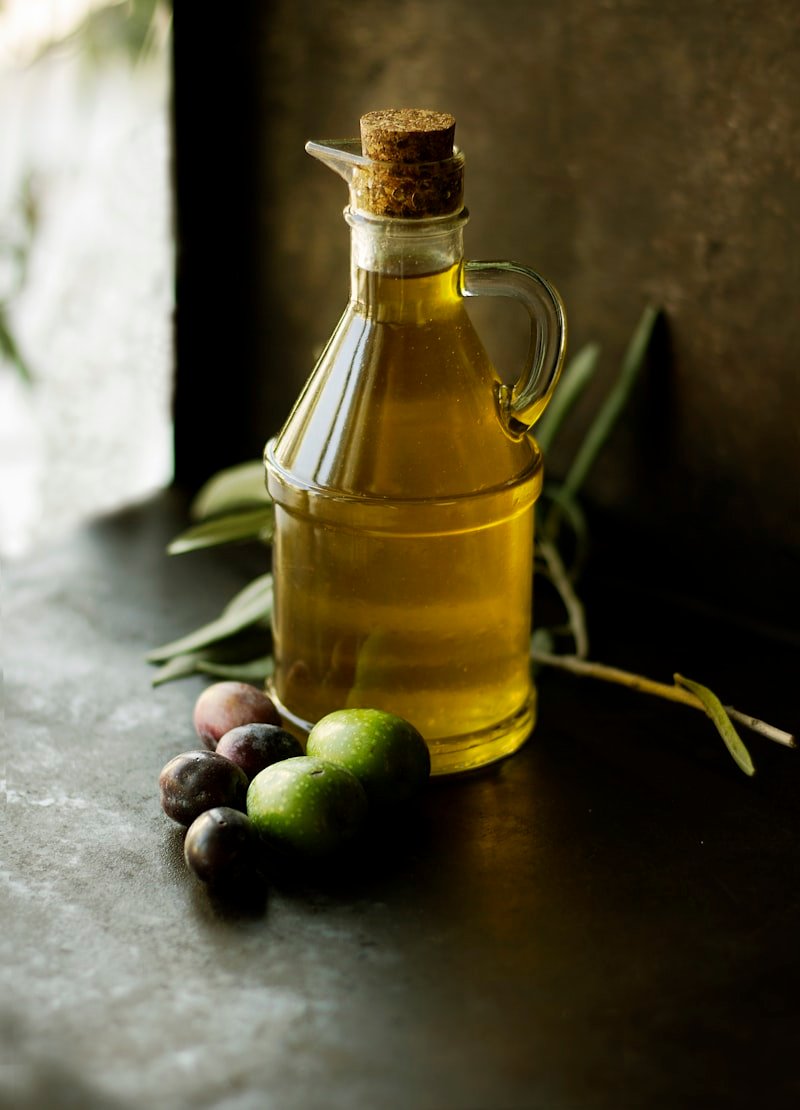
Ancient Roots
Early Evidence
Archaeological remains — charred olive stones from the 13th Dynasty (c. 1802–1640 BC) — provide the earliest physical proof of olives in Egypt.
Royal Promotion
Pharaoh Ramses III (1186–1155 BC) actively promoted olive cultivation, offering pure oil from the groves of Heliopolis to the Sun God Ra.
Mythology & Ritual
Legend says the goddess Isis taught Egyptians how to extract oil from olives. Oil was vital for temple lighting, cosmetics, medicine, and funerary rites.
Sacred Afterlife
Olive wreaths symbolized triumph over death. A garland of olive leaves was discovered in Tutankhamun's burial chamber, ensuring peace in the afterlife.
A Journey in Time
13th Dynasty
Earliest charred olive stones found in archaeological sites along the Nile Delta, marking the beginning of olive presence in Egypt.
Ramses III
Pharaoh dedicates vast olive groves to Ra, the Sun God, promoting cultivation across Heliopolis and Upper Egypt.
Greek Grafting
Historical documents detail the grafting of Greek olive varieties onto Egyptian stocks in the Fayum oasis, improving oil quality.
Islamic Golden Age
The Quran describes the olive as a "blessed tree." Cultivation is reinvigorated across Egypt under Islamic rule.
Global Standards
Egypt rejoins the International Olive Council (IOC), aligning its production with global quality standards.
World #1
Egypt becomes the world's largest producer of table olives, accounting for over 25% of global production.
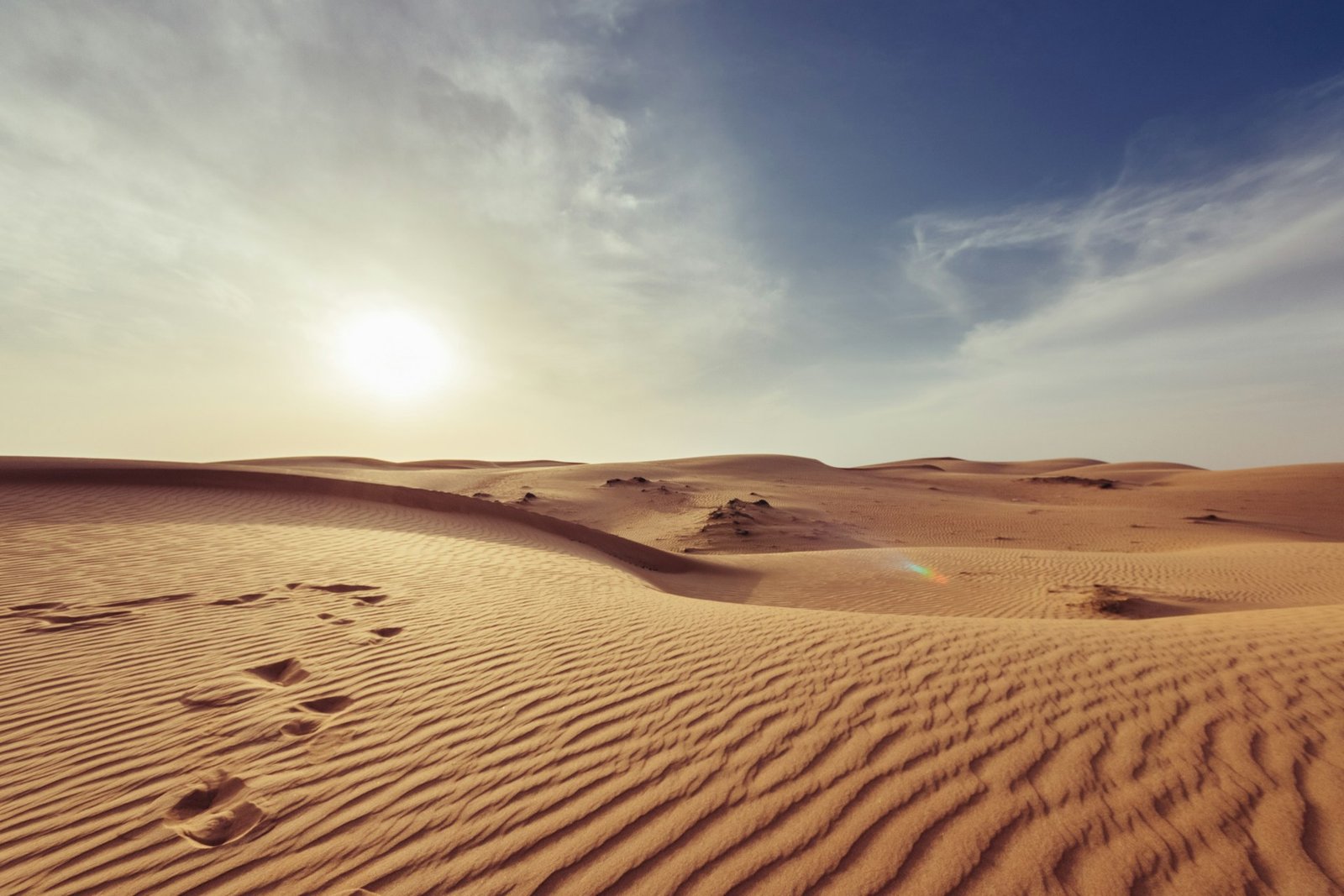
Siwa
Oasis
Isolated by endless dunes, Siwa developed a unique culture and agricultural heritage. Its mineral-rich soil and ancient springs create the perfect conditions for olive trees, producing oil with a flavor as distinct as the oasis itself.
The Fayum, Alexandria, and Thebes became major olive regions during the Graeco-Roman period, with historical documents from 255 BC detailing the grafting of Greek olive varieties onto Egyptian stocks.
Egypt Today
From ancient sacred groves to global agricultural powerhouse.
The olive is a blessed tree — a symbol of peace, prosperity, and divine light across civilizations.
— Referenced in the Holy Quran
Under Islamic rule, olive cultivation was reinvigorated across Egypt, leaving a permanent mark on the nation's agricultural identity and language.
"From the roots of the past,Explore Our Collection
we grow the future."